Give a Gift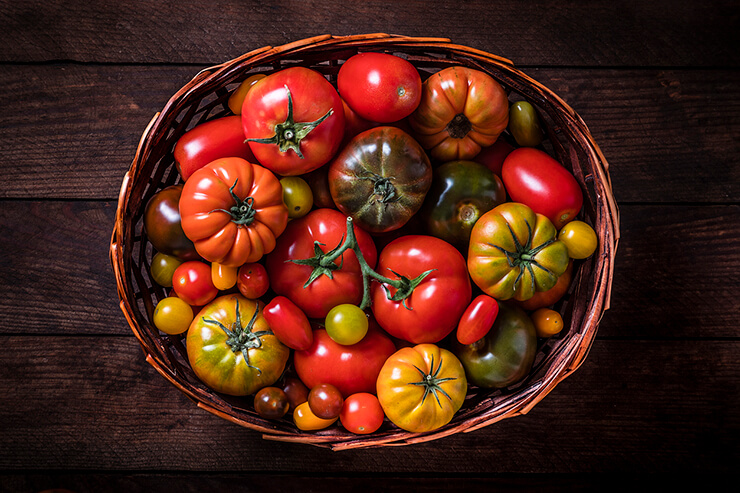
Every tomato gardener eventually reaches a point where the question changes.
It’s no longer, “Can I grow tomatoes?”
It becomes, “Which tomatoes do I always want in my garden?”
This chapter is my personal, hard-earned, joyfully biased list—the varieties I reach for again and again because they earn their space. They taste right. They behave well. And they perform reliably in my own garden in Plymouth, Massachusetts, which sits comfortably in USDA Zone 6b and happens to be a downright joyful place to grow tomatoes when you understand its rhythms.
These are the tomatoes I trust—for sauces, salads, sandwiches, and snacking—with notes on where they shine best across growing zones.
Raise a glass (or a basket) with me

Tomatoes I Grow for Sauce (Reliable, Meaty, and Worth the Effort)
San Marzano
Why I love it:
The gold standard for sauce tomatoes. Dense flesh, low moisture, deep flavor that improves with cooking.
- Best use: Marinara, pizza sauce, tomato paste
- Growth habit: Indeterminate
- Days to maturity: ~80
- Best USDA zones: 5–9
- Notes for Plymouth (Zone 6b): Needs full sun and patience, but rewards both. Greenhouse or sheltered beds help in cooler summers.
Roma (Classic or Hybrid Romas)
Why I love it:
Dependable, productive, and forgiving. This is the tomato that shows up when others hesitate.
- Best use: Sauce, canning, roasting
- Growth habit: Determinate
- Days to maturity: ~75
- Best USDA zones: 4–9
- Notes for Plymouth: One of the most reliable paste tomatoes for our climate. Perfect for raised beds.
Amish Paste
Why I love it:
Big, old-fashioned paste tomato with surprisingly rich fresh flavor.
- Best use: Sauce, fresh cooking, freezing
- Growth habit: Indeterminate
- Days to maturity: ~85
- Best USDA zones: 5–8
- Notes for Plymouth: Needs a longer season but thrives in warm summers. Worth the space.
Tomatoes I Grow for Salads (Balanced, Bright, and Versatile)
Mountain Magic
Why I love it:
Exceptionally balanced flavor with outstanding disease resistance—an unsung hero.
- Best use: Chopped salads, everyday eating
- Growth habit: Indeterminate
- Days to maturity: ~70
- Best USDA zones: 4–8
- Notes for Plymouth: A superstar here—handles humidity, resists disease, and tastes great even in uneven summers.
Juliet
Why I love it:
A salad tomato that behaves like a cherry but eats like something more refined.
- Best use: Salads, roasting, snacking
- Growth habit: Indeterminate
- Days to maturity: ~60
- Best USDA zones: 4–9
- Notes for Plymouth: Extremely productive and crack-resistant—great insurance tomato.
Tomatoes I Grow for Sandwiches (Big Flavor, Big Slices)
Brandywine (Pink)
Why I love it:
Because when Brandywine is good, nothing else compares.
- Best use: Sandwiches, fresh plates
- Growth habit: Indeterminate
- Days to maturity: ~85–90
- Best USDA zones: 5–8
- Notes for Plymouth: Needs warmth, space, and patience. Some years it’s transcendent, some years it teaches humility.
Mortgage Lifter
Why I love it:
Large, meaty, dependable heirloom with excellent classic tomato flavor.
- Best use: Sandwiches, slicing, fresh eating
- Growth habit: Indeterminate
- Days to maturity: ~80
- Best USDA zones: 4–9
- Notes for Plymouth: More reliable than Brandywine here and still delivers that old-fashioned taste.
Tomatoes I Grow for Snacking (The Ones That Never Make It Inside)
Sungold
Why I love it:
Pure joy in tomato form. Sweet, tropical, addictive.
- Best use: Snacking, salads
- Growth habit: Indeterminate
- Days to maturity: ~57
- Best USDA zones: 3–10
- Notes for Plymouth: Thrives even in cooler summers. Grows like it’s late for something—plan tall support.
Sweet 100 (or Sweet Million)
Why I love it:
Relentless production and dependable sweetness.
- Best use: Snacking, salads
- Growth habit: Indeterminate
- Days to maturity: ~65
- Best USDA zones: 4–10
- Notes for Plymouth: One plant is usually enough. Two plants is a lifestyle choice.
Sun Sugar
Why I love it:
A Sungold-like flavor with better crack resistance in wet summers.
- Best use: Snacking
- Growth habit: Indeterminate
- Days to maturity: ~62
- Best USDA zones: 4–9
- Notes for Plymouth: Handles our coastal humidity better than many cherries.
A Note About Growing Tomatoes in Plymouth, Massachusetts
Plymouth sits at a wonderful crossroads:
- Cool springs that reward patience
- Warm summers that favor flavor
- Coastal breezes that reduce disease when plants are spaced well
Tomatoes here do best when:
- Planted a touch later rather than earlier
- Mulched generously
- Given room to breathe
- Chosen with season length in mind
It’s a place where cherry tomatoes shine, paste tomatoes reward planning, and heirlooms remind you that gardening is a relationship, not a transaction.
How I Build My Tomato Lineup Each Year
In a perfect world, my garden includes:
- 2 paste tomatoes (for sauce and preserving)
- 2 fresh slicers (for sandwiches and plates)
- 2–3 cherries (for sanity, snacking, and joy)
- 1 experimental variety (because curiosity matters)
This balance ensures:
- Something ripe early
- Something producing late
- Something worth eating every single day
The Big Toast
Here’s my final cheers:
To tomatoes that earn their space.
To varieties that forgive mistakes.
To gardens that teach patience and reward attention.
And to the simple pleasure of standing in the sun, eating a tomato you grew yourself, and knowing exactly why you did all this in the first place.
If you grow even one of these favorites and it brings you joy—then this book has done its job.
Cheers from Plymouth.