Give a Gift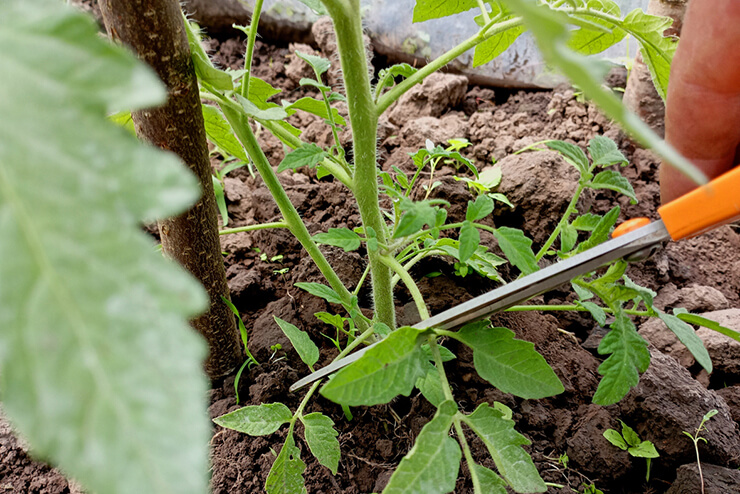
There comes a moment—usually right around midsummer—when every tomato gardener asks the same question:
How do I get more tomatoes… without turning them bland, watery, or forgettable?
Because here’s the hard truth:
It’s easy to grow a lot of tomatoes.
It’s harder to grow a lot of good tomatoes.
This chapter is about increasing productivity intelligently—using techniques that support plant health, extend harvests, and improve efficiency without trading away flavor, which is the whole reason we’re here in the first place.

First, Let’s Redefine “Yield”
Yield isn’t just:
- Total number of tomatoes
- Weight per plant
- How full your counter gets in August
Real yield includes:
- Flavor consistency
- Fruit quality
- Harvest duration
- Plant resilience
A plant that produces steadily for 10 weeks often outperforms one that explodes briefly and collapses.
Start with Varieties That Want to Produce
Some tomatoes naturally balance yield and flavor better than others.
Look for varieties described as:
- Productive and flavorful
- Long-bearing
- Reliable producers
Cherry and salad tomatoes often deliver the best yield-to-flavor ratio. Large slicers can be generous too—but only when conditions are excellent.
Yield problems often start with variety mismatch, not technique.
“Once I stopped forcing low-yield tomatoes to perform, my harvests doubled.”
— Hannah, Zone 6b, Wisconsin
Plant Health Is the Real Yield Multiplier
No trick beats a healthy plant.
Plants that produce well over time have:
- Strong root systems
- Balanced nutrition
- Consistent moisture
- Good airflow and sunlight
Every stress you remove early pays dividends later.
Spacing: The Counterintuitive Yield Booster
Crowded tomatoes look productive early—and disappoint later.
Proper spacing:
- Reduces disease
- Improves light penetration
- Encourages steady fruit set
One well-spaced plant often outproduces two crowded ones.
Yield loves elbow room.
Pruning for Productivity (Not Just Tidiness)
Strategic pruning can:
- Improve airflow
- Reduce disease
- Focus energy on fruit
But over-pruning reduces yield.
Smart pruning rules:
- Light pruning early
- Remove only excess or non-productive growth
- Match pruning style to plant type
Think editing, not editing out.
Feeding for Fruit, Not Foliage
Nitrogen builds leaves. Potassium builds fruit.
To boost yield:
- Reduce nitrogen after flowering
- Support steady potassium availability
- Feed gently, not aggressively
Sudden feeding spikes create growth spurts—not sustained production.
“My biggest harvests came when I fed less, not more.”
— Carlos, Zone 7a, Texas
Water Consistency = Flower Retention
Dropped flowers mean lost yield.
The most common causes:
- Water stress
- Heat stress
- Nutrient imbalance
Consistent watering:
- Keeps flowers attached
- Supports fruit development
- Prevents stress-induced pauses
In hot climates, morning watering and mulch are yield insurance.
Pollination: Don’t Assume It’s Happening
Poor pollination quietly reduces yield.
Improve pollination by:
- Encouraging airflow
- Gently shaking plants
- Avoiding excessive humidity (especially indoors or in greenhouses)
No pollination = no fruit. Everything else is secondary.
Extending the Harvest Window
One of the smartest ways to boost yield is simply to harvest longer.
Ways to do that:
- Plant early, but not too early
- Use succession planting
- Remove declining plants promptly
- Protect late-season plants from cold
Ten extra days of production can outweigh a single heavy harvest week.
Harvest Often to Get More Fruit
Tomatoes respond to harvesting.
Frequent picking:
- Signals plants to keep producing
- Prevents fruit from draining energy
- Reduces cracking and pest loss
Leaving ripe fruit on the vine slows everything down.
Managing Stress Without Eliminating It
Tomatoes need balance—not pampering.
Mild, controlled stress:
- Concentrates flavor
- Encourages efficient fruiting
Excess stress:
- Halts production
- Drops flowers
- Reduces yield
The goal is stability, not indulgence.
Containers, Raised Beds, and Yield Reality
- Containers: Smaller yield per plant, higher efficiency
- Raised beds: Excellent yield-to-effort ratio
- In-ground: Highest potential yield with proper soil
Choose the system that lets you maintain consistency—that’s where yield lives.
What Not to Chase
Avoid chasing:
- Maximum plant size
- Extreme fertilization
- Perfect-looking plants
Big plants don’t always mean productive plants.
The Big Takeaway
Boosting tomato yield without sacrificing flavor isn’t about tricks—it’s about restraint, timing, and respect for the plant’s natural rhythm.
When you:
- Choose the right varieties
- Space plants properly
- Feed thoughtfully
- Water consistently
- Harvest regularly
…you get more tomatoes that still taste like tomatoes.
And that’s the only kind of yield worth chasing.
Coming Up Next
You’ve grown them, harvested them, preserved them, and even saved their seeds.
Up next—and last—is Tomato Wisdom A to Z, where we pull together lessons, shortcuts, hard-earned truths, and favorite tips that didn’t fit neatly anywhere else.
Let’s Finish Strong