
×
  • Home
  • Daily
    • Buyers Guides
    • Composting
    • Container Gardening
    • Easy Healthy Recipes
    • Food Preservation
    • Garden Design
    • Garden Tools
    • Gardening LIfe
      • Animals in the Garden
      • Funny Business
      • Gardening History
      • Gardening Humor
      • Gardening Mishaps
      • Gardening Poems
      • Gardening Romance
      • Gardening Science
      • Gardening with Kids
      • Healing Gardens
      • Joy of Gardening
      • Mystical Gardens
      • Ornamental Gardening
    • Growing Fruits & Berries
    • Indoor Gardening
    • Pests & Diseases
    • Seeds & Seedlings
    • Soil & Fertilizer
    • Spice & Herb Gardening
    • Vegetable Gardening
    • Watering & Irrigation
  • Freebies
  • Videos
  • Magazines
    • Food Gardening Magazine
    • GreenPrints Magazine
    • RecipeLion Magazine
  • Books
    • GuideBooks
    • Cookbooks
      • Beverages
      • Bakery
      • Breakfast
      • Appetizers
      • Salads & Dressings
      • Soups
      • Entrées
      • Side Dishes & Sauces
      • Desserts
    • Story Collections
    • StoryBooks
    • Recipe Collections
  • Kits
    • Garden Calendars
    • Garden Plans
    • Recipe Cards
    • Greeting Cards
    • ArtPrints
  • About Us
  • Contact Us
  • Affiliate Program
  • Sponsor Program
  • Give a Gift
  • Privacy Policy & Terms of Use
  • Authors
  • GreenPrints Writer’s Guidelines
  • Keyword Index
  • Join
Crochet, Food Gardening, Knitting, Quilting, Rug Hooking, Sewing
Celebrating 5 Years!

Food Gardening Network

Growing food, fun & more

Give a GiftJoin
Visit Our Amazon Store!
  • Daily
    • Buyers Guides
    • Composting
    • Container Gardening
    • Easy Healthy Recipes
    • Food Preservation
    • Garden Design
    • Garden Tools
    • Gardening Life
      • Animals in the Garden
      • Funny Business
      • Gardening History
      • Gardening Humor
      • Gardening Mishaps
      • Gardening Poems
      • Gardening Romance
      • Gardening Science
      • Gardening with Kids
      • Healing Gardens
      • Joy of Gardening
      • Mystical Gardens
      • Ornamental Gardening
    • Growing Fruits & Berries
    • Indoor Gardening
    • Pests & Diseases
    • Seeds & Seedlings
    • Soil & Fertilizer
    • Spice & Herb Gardening
    • Vegetable Gardening
    • Watering & Irrigation
  • Freebies
  • Videos
  • Magazines
    • Food Gardening Magazine
    • GreenPrints Magazine
    • RecipeLion Magazine
  • Books
    • GuideBooks
    • Cookbooks
      • Beverages
      • Bakery
      • Breakfast
      • Appetizers
      • Salads & Dressings
      • Soups
      • Entrées
      • Side Dishes & Sauces
      • Desserts
    • Story Collections
    • StoryBooks
    • Recipe Collections
  • Kits
    • Garden Calendars
    • Garden Plans
    • Recipe Cards
    • Greeting Cards
    • ArtPrints
  • Visit Our Amazon Store!|
  • Sign In
  • Search

What is the Best Size for Raised Garden Beds?

Food Gardening Magazine: Raised Bed Gardening Made Easy Special Issue

arrow-left Previous
Next arrow-right

What is the Best Size for Raised Garden Beds?

Trying to figure out the right size for raised garden beds? Here are a few things you'll want to consider.

By Amanda MacArthur

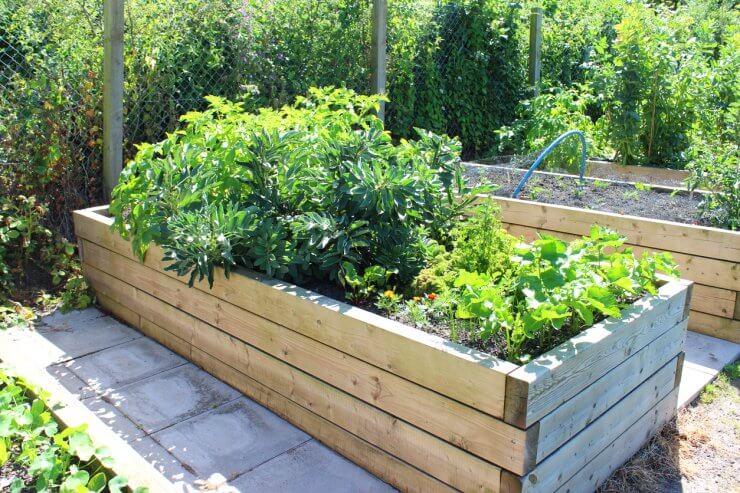
Image of allotment vegetable garden with wooden raised beds, timber
What’s the right size for raised garden beds? That’s a great question! The answer? Well, it’s not complicated, but it does take some consideration. 

Of the many wonderful aspects of a raised bed garden, one of the things I love most is that they can accommodate a variety of gardeners. While some of us are agile and able to get on the ground to weed, plant, and tend our vegetables, that’s not the case for everyone. However, raised garden beds make gardening much more accessible. 

A raised bed allows people with all kinds of mobility issues to garden. Plan it well, and gardeners in wheelchairs, gardeners with bad backs, gardeners with bad knees, kids, or gardeners who just don’t like getting dirt on their pants can all enjoy the produce that comes from a raised bed. 

Raised beds can accommodate soil issues, too. Whether you have clay soil, contaminated soil, or a space covered in concrete, a raised bed can give you the option of growing your own food. 

As you can imagine, that means there isn’t one “right” size for raised garden beds. There is, however, a right size for you. Here’s how to figure out what that is.
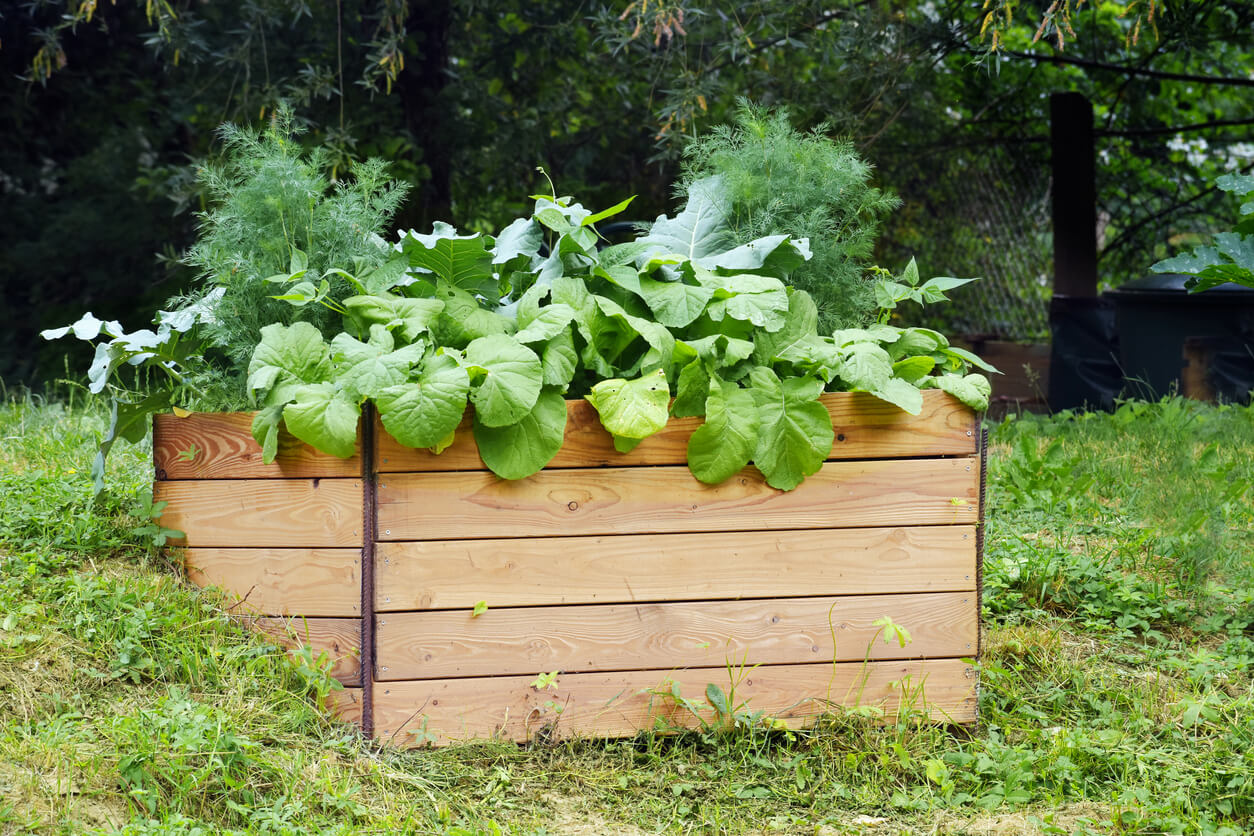
raised wooden bed with vegetable plants built on a slope

How to determine the best size for raised garden beds in your garden

For many raised beds, the goal is to be able to access your vegetables without stepping into the garden. Given that parameter, location is one factor in determining the right size for raised garden beds. Ideally, you’ll be able to access the garden from each side, but that’s not always the case. 

With that in mind, if you can access the bed from both sides, the University of Georgia Extension< suggests “raised beds that are 3 feet wide for children and 4 feet wide for adults. If providing wheelchair access, plan raised beds that are 2 feet wide for children and 3 feet wide for adults.”

That said, I’ve seen some gorgeous raised beds that are only about 18 inches wide. Gotta work with the space you have, right? 

Moving on with our three dimensions, what’s the best size for raised garden beds when it comes to length? That’s not very important from the gardening end of things. The proper length for a raised bed is really about the space you have and how far you want to move around it. 

What may be the most crucial factor is depth or height. This is also where you need to consider how to combine your needs with the needs of your plants and the constraints of your space. 

Let’s start with whether or not wheelchair access is a consideration. The city of Seattle Community Gardening Program states that “wheelchair modified beds should have a maximum height of 34 inches.” That’s also a good height for people who aren’t as able to bend over and would prefer to garden standing up. 

However, nearly 3 feet of soil can come with a hefty price tag. And, for many crops, you only need around 18 inches of soil. One option here is to raise your raised bed. Build or buy a tabletop style or elevated raised bed like this one or this one.

You might need a deeper bed if you’re growing on top of concrete, gravel, or another hard surface, and you want to grow vegetables that require more soil, like corn, indeterminate tomatoes, melons, and other vegetables with deep roots. If that’s the case, however, you don’t need to go with the same size for raised garden beds all around. You can have some that are shallower and some that are deeper. Remember, that soil costs money!

So, where does this leave us? 

Ultimately, the “right” size for a garden bed is one that works best for you, with consideration of your landscape and constraints. But if you want actual numbers and are looking for something versatile enough for most gardeners, the best size for raised garden beds is …

Between 3 to 4 feet wide, with a length of 6 to 8 feet. As far as depth, 12 to 18 inches will accommodate most roots, and a truly raised bed with enclosed bottom should have a top-height of 3 feet.

Now then, who’s ready to go buy some lumber? 

What size do you find best for raised bed gardens? 

Note: This post contains affiliate links, and we may make a small commission when you make a purchase after clicking them. However, this post is based on honest and true reviews of the products above.


arrow-left Previous
Next arrow-right

Tags

best size for raised garden beds, size for raised garden beds

Comments

Click here to cancel reply.

Leave a Reply Cancel reply

Your email address will not be published. Required fields are marked *

TABLE OF CONTENTS

  • Gardener’s Notebook

  • Start Your Raised Bed Garden Now With This Special Issue
  • The Biggest Differences Between Planting in Raised Beds vs. In-Ground
  • Planning Raised Beds for Your Garden
  • What is the Best Size for Raised Garden Beds?
  • Planning Out Bountiful Raised Beds
  • What’s the Best Type of Wood for Raised Beds?
  • How to Build a DIY Hoop House for Raised Beds
  • How to Build a Raised Bed Over Clay Soil
  • Can You Build a Garden Bed on Concrete? 5 Ways to Prep Before You Plant
  • How to Create a Custom DIY Drip Irrigation System for Raised Beds for Under $100
  • Planting Raised Garden Beds: Spacing & Growing Vegetables and Herbs
  • 10 Most Popular Companion Plants for Your Raised Bed Garden
  • Growing Tomatoes in Open Land, in Containers, or in Raised Beds
  • Growing Basil Indoors, in Open Land, in Raised Beds, or in Containers
  • Planting Radishes in the Ground or in Raised Beds
  • How to Build a Raised Lettuce Garden
  • Planting Bell Peppers in the Ground or in Raised Beds
  • Growing Onions in Open Land, in Raised Beds, or in Containers
  • Growing Spinach in Open Land, in Raised Beds, or in Containers
  • Planting Strawberries in the Ground, Raised Beds or Containers
  • Growing Zucchini in Open Land, in Raised Beds, or in Containers
  • Planting Beets in the Ground or in Raised Beds
  • Planting Garlic in the Ground, Raised Beds, or Containers

Enter Your Log In Credentials

This setting should only be used on your home or work computer.

  • Lost your password? Create New Password
  • No account? Sign up

Need Assistance?

Call Food Gardening Network Customer Service at
(800) 777-2658

Food Gardening Network is an active member of the following industry associations:

  • American Horticultural Society
  • GardenComm Logo
  • GardenComm Laurel Media Award
  • MCMA logo
  • Join Now
  • Learn More
  • About Food Gardening Network
  • Contact Us
  • Affiliate Program
  • Sponsor Program
  • Give a Gift
  • Privacy Policy & Terms of Use

Food Gardening Network
99 Derby Street, Suite 200
Hingham, MA 02043
support@foodgardening.mequoda.com

To learn more about our Email Marketing and Broadcasting Services, Exchange Program, or to become a marketing partner with any of our publications, click here to contact us at Mequoda Publishing Network.

FREE E-Newsletter for You!

Discover how to grow, harvest, and eat good food from your own garden—with our FREE e-newsletter, delivered directly to your email inbox.

  • Facebook
  • Twitter
  • Instagram
  • Pinterest

Powered by
Mequoda Publishing Network
copyright © 2025 Mequoda Systems, LLC

Food Gardening Network®, Food Gardening Magazine® and GreenPrints® are registered trademarks of Mequoda Systems, LLC.