

 Give a Gift
 Previous
Why Grow Protein-Rich Crops?
Plant proteins are more than just “meat replacements.” They’re full of fiber, antioxidants, vitamins, and minerals that animal proteins don’t provide. Best of all, many protein-rich fruits and vegetables are garden-friendly—whether you’re tending raised beds, containers, or an in-ground patch of soil.
The following 25 crops are among the best sources of plant-based protein you can grow. We’ve organized them with notes on USDA growing zones, varieties to try, and real gardener experiences to help you plan a productive protein-packed garden.
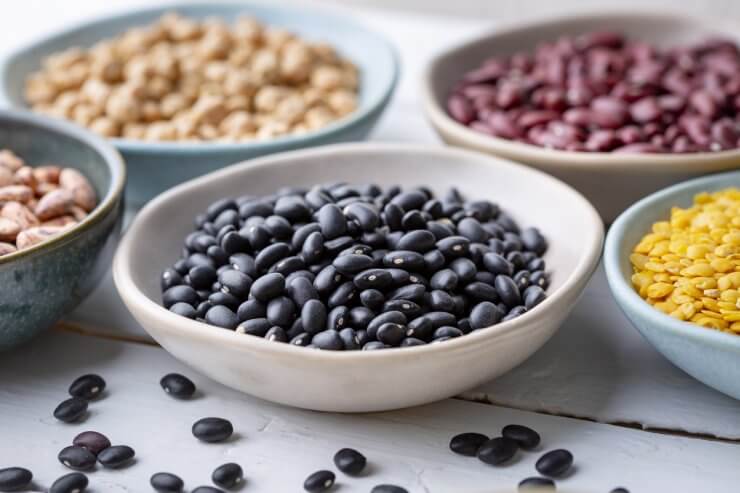
Legumes: Protein Powerhouses
- Black Beans
- Zones: 3–10 (warm season annual)
- Varieties: Midnight Black Turtle is hardy and flavorful.
- Notes: Best grown in full sun; allow pods to dry before harvest.
- “I grew black beans for the first time last year in Zone 7, and the yield was incredible. Perfect for chili and soups.” — Martha, Richmond, VA
- Chickpeas (Garbanzo Beans)
- Zones: 3–11 (thrives in dry, warm conditions)
- Varieties: Kabuli types for large beans; Desi for smaller, nutty flavor.
- Notes: Low water needs; ideal for raised beds.
- Green Peas
- Zones: 3–9 (cool-season crop)
- Varieties: Sugar Snap and Lincoln for home gardens.
- “Peas are my kids’ favorite snack right off the vine. They never make it into the kitchen!” — Angela, Boise, ID
- Lentils
- Zones: 4–9 (prefer cooler temps)
- Varieties: French Green (Puy) or Red Chief.
- Notes: Require minimal fertilizer; fix nitrogen in soil.
- Edamame (Soybeans)
- Zones: 3–9 (warm-season annual)
- Varieties: Envy for short seasons; Midori Giant for big yields.
- “Our Zone 5 garden gets just enough warmth for edamame—it’s a hit at every summer barbecue.” — Tom, Madison, WI
- Kidney Beans
- Zones: 4–10
- Varieties: Redhawk for deep flavor.
- Notes: Great for soups and chili.
- Lima Beans
- Zones: 7–10 (heat-loving)
- Varieties: Fordhook 242 (large-seeded, cool-tolerant).
- Pinto Beans
- Zones: 3–10
- Varieties: Othello or Burke.
- “I love pintos in everything from tacos to refried beans. They thrive in my dry Zone 8 garden.” — Carlos, Tucson, AZ
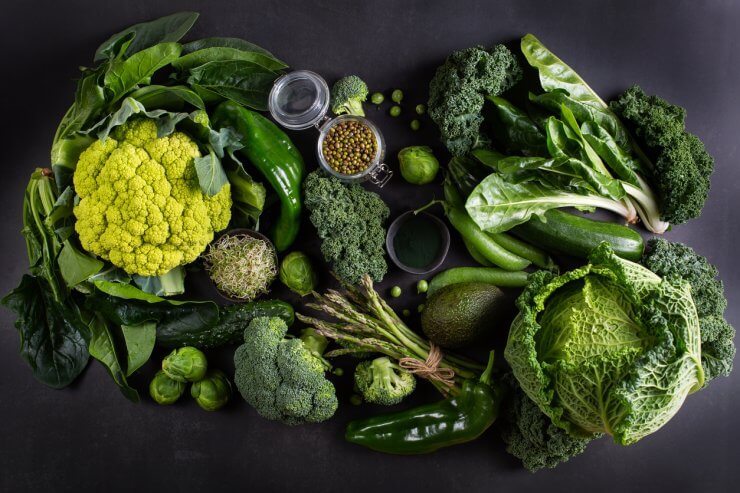
Protein-Rich Vegetables
- Spinach
- Zones: 2–9 (cool-season crop)
- Varieties: Bloomsdale Long Standing for flavor.
- Notes: Higher protein per calorie than most greens.
- Kale
- Zones: 3–10 (cold-hardy)
- Varieties: Lacinato (Dinosaur) and Winterbor.
- “Kale keeps producing even under snow in Zone 6—protein and greens all winter.” — Julie, Pittsburgh, PA
- Broccoli
- Zones: 3–10
- Varieties: Calabrese and Waltham 29.
- Brussels Sprouts
- Zones: 3–9
- Varieties: Long Island Improved for reliability.
- Asparagus
- Zones: 3–8 (perennial)
- Varieties: Jersey Knight and Mary Washington.
- Cauliflower
- Zones: 2–11 (depending on timing)
- Varieties: Snow Crown and Graffiti (purple).
- Collard Greens
- Zones: 6–10 (heat-tolerant, cold-hardy)
- Varieties: Champion.
- Mustard Greens
- Zones: 6–11
- Varieties: Southern Giant Curled.
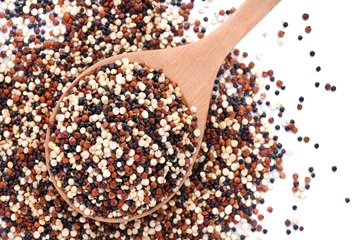
Grains & Pseudo-Grains (Garden Friendly)
- Quinoa
- Zones: 4–10 (thrives in cool, dry climates)
- Varieties: Cherry Vanilla and Brightest Brilliant.
- “Quinoa in Zone 5 was surprisingly easy—now it’s a pantry staple.” — Rachel, Burlington, VT
- Amaranth
- Zones: 2–11
- Varieties: Red Garnet.
- Notes: Leaves are edible too—double harvest!
- Buckwheat
- Zones: 3–10 (short-season crop)
- Notes: Great cover crop with bonus protein seeds.
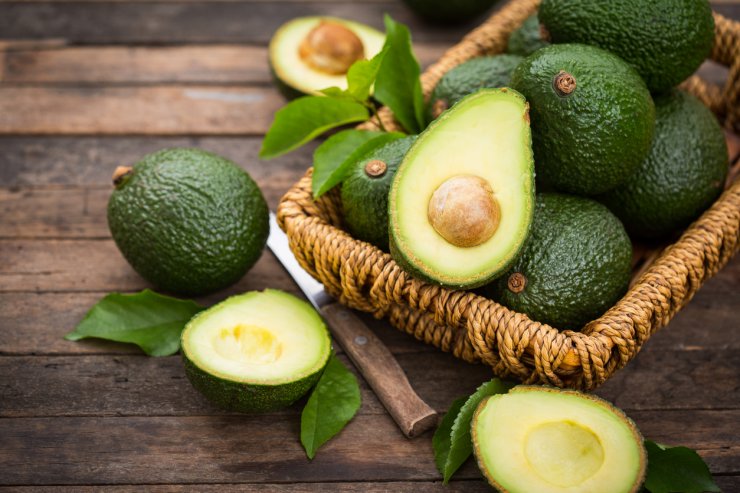
Surprising Fruits with Protein
- Avocado
- Zones: 9–11
- Varieties: Hass (classic), Fuerte (cold-hardy).
- “We eat avocados daily from our Zone 10 garden—it’s like growing gold.” — Diego, San Diego, CA
- Guava
- Zones: 9–11
- Varieties: Tropical Pink.
- Jackfruit
- Zones: 10–12 (tropical only)
- Notes: Large yields; seeds also contain protein.
- Mulberries
- Zones: 4–9 (depending on species)
- Varieties: Illinois Everbearing.
- Blackberries
- Zones: 5–10
- Varieties: Triple Crown for flavor and yield.
- Apricots
- Zones: 4–9
- Varieties: Moorpark and Tilton.
- “Dried apricots from my Zone 7 tree are a protein-rich hiking snack.” — Sam, Asheville, NC
Putting It All Together
By mixing legumes, leafy greens, grains, and even some unexpected fruits, you can create a garden that doesn’t just feed your appetite—it fuels your body with protein, straight from the soil. Whether you’re in a cold Zone 3 or a tropical Zone 11, there’s a protein-rich option for you.
Share Your Tips!
Do you grow any of these crops in your garden? Have you noticed a difference in your health when you add more plant-based protein to your meals? Share your gardening tricks, favorite varieties, and protein-packed recipes in the comments below—your story may inspire someone else to plant their first protein-rich seed.