

 Give a Gift
 Previous
Read by Matilda Longbottom
In 1962, when my then-husband was stationed at Pearl Harbor during the Cuban missile crisis, I was an 18-year-old Navy wife staying with my parents in Hawaii. As a Louisiana native, he often reminisced about the rich Southern dishes he grew up eating—fried okra being one of his favorites.
“What’s okra?” I had wondered. Determined to surprise him with a taste of home, I ventured to a local hardware store, bought some seeds in unmarked paper packets, and planted them behind my dad’s tomato row. Gardening wisdom was scarce then—no soaking seeds overnight or Googling for growing tips. I just planted the seeds and hoped for the best.
Much to my delight, the Hawaiian soil worked its magic. Soon, my okra plants flourished, their delicate yellow hibiscus-like flowers giving way to fuzzy green pods. I had no idea what they were supposed to look like, but they grew like gangbusters.
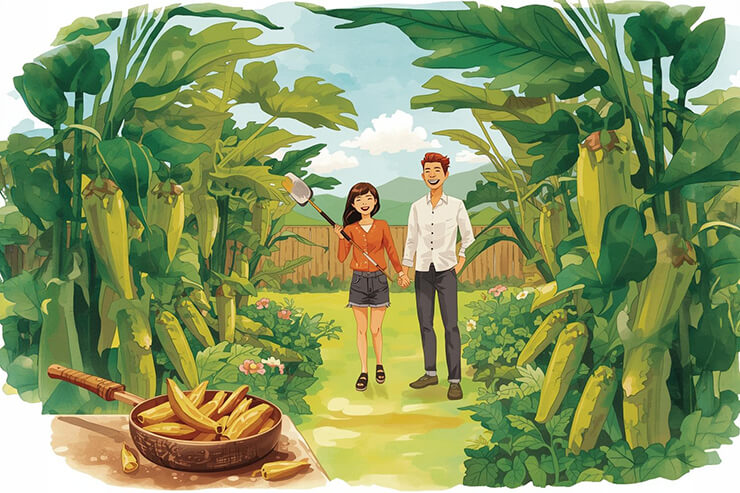
When my husband returned from sea, I proudly dragged him to the backyard to admire my accomplishment. His reaction? Gales of uncontrollable laughter. “What’s so funny?” I demanded, arms crossed.
“You let them grow too long!” he choked out, wiping tears from his eyes. Back then, before varieties like Cowhorn okra, letting the pods grow to 12 inches turned them into something better suited for a lumberjack than a chef.
Undeterred, I picked a pod, placed it on the cement carport, and tried slicing it with my trusty trowel. No luck. I banged the trowel in frustration—and it snapped in two. More laughter erupted behind me. Lesson learned: okra is best harvested when it’s tender and about 4-6 inches long.
From Hawaii to Louisiana: Okra and a Culture of Resilience
Okra, also known as ki gombo in West Africa, was brought to the Americas by enslaved Africans. It became a staple in Southern gardens and kitchens, lending its unique texture and flavor to dishes like gumbo—a culinary treasure that blends cultures and history.
When we moved to Louisiana in 1964, I immersed myself in its rich culture and diverse cuisine. Armed with new gardening knowledge, I successfully grew and harvested okra on our small farm. I learned how to cook it to perfection, embracing its “slimy” charm as an essential part of its character. A little lemon juice helps reduce the slime for frying, but for gumbo, you’ll want it just the way nature intended.
Call to Action
Okra isn’t just a vegetable; it’s a piece of culinary and cultural history. Whether you’re frying it, adding it to gumbo, or experimenting with new recipes, let this fascinating plant surprise you. Ready to grow your own okra? Check out our okra gardening guide for expert tips on planting, harvesting, and cooking this versatile crop.
Let the good times roll—and happy gardening, y’all! ❖
About the Author: Lady Mo Pascoe-Hoyal, is a published writer, songwriter, avid gardener, and lifelong Equestrian residing in Central Louisiana. Despite facing various challenges, including disabilities from multiple accidents, Mo remains an ardent advocate for growth and resilience. Inspired by the spirit of aloha and the beauty of nature, she continues to find solace and joy in the art of gardening.




Thank you once more my GreenPrints and Food Gardening Family! I am honored by your putting my stories into print in your publication that I have loved for a very long time! May you have decades more of being loved by us gardeners and writers!