

 Give a Gift
 Previous
Read by Michael Flamel
Growing up in the Sacramento Valley, I never once questioned the grapes in our backyard.
They were just…there.
They hung in loose, generous clusters, turning from green to that perfect pale gold, warming in the California sun. My job was simple: pick them, rinse them, eat them. Occasionally sneak a few more while pretending I was “helping.” As a kid, I assumed grapes had exactly one purpose in life—to be eaten fresh, preferably straight off the vine.
It never crossed my mind that the grapes my dad grew had anything to do with something bigger.
It was only years later—much later—that I learned Northern California is one of the great grape meccas of the world, and that most grapes grown there aren’t destined for snack bowls at all. They’re headed for wine barrels, fermentation tanks, and labels with French-sounding names. My older brother even spent several years working for one of the major wine producers, which only added to the irony: there I was, raised among grapes, blissfully unaware that I was living in the middle of a global grape story.
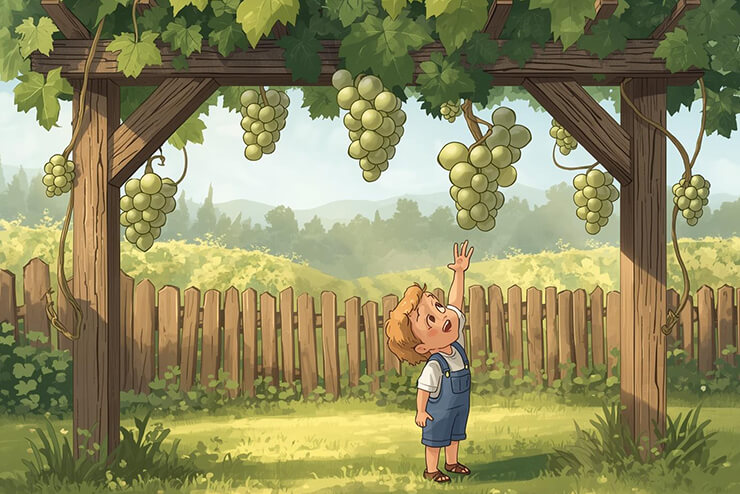
And right there in our backyard? Thompson Seedless—the humble overachiever of the grape world.
A Brief History of a Very Busy Grape
Thompson Seedless grapes date back to the Middle East and Mediterranean regions, where seedless grapes were prized for eating and drying. They made their way to America in the 19th century and found their forever home in California’s warm, dry climate.
Despite the name, Thompson Seedless does everything:
- Fresh table grapes
- Raisins (most American raisins start here)
- Grape juice
- And yes—occasionally wine, though they’re far more famous for snacking and drying
They’re sweet without being cloying, mild but unmistakably “grapey,” and endlessly reliable. In other words, they’re the kind of plant gardeners grow once and then quietly brag about forever.
Can You Grow Thompson Seedless at Home? Absolutely.
One of the great joys of Thompson Seedless grapes is that they’re remarkably adaptable.
Best climate zones:
- Thrive in USDA Zones 6–10
- Especially happy in regions with warm summers and relatively dry air
Gardeners across much of the country—California, the Pacific Northwest, the Mid-Atlantic, parts of the Midwest, and even sheltered spots in New England—can successfully grow them with a little planning.
How to Get Started
Acquiring Your Vines
- Look for bare-root grapevines from reputable nurseries in late Winter or early Spring
- Choose disease-resistant stock whenever possible.
Where to Plant
- Full sun is non-negotiable (6–8+ hours daily).
- Well-draining soil is key—grapes hate wet feet.
- Plant near a sturdy trellis, arbor, fence, or pergola. (They like to sprawl with purpose.)
Caring for Your Vines
- Water deeply but infrequently once established.
- Prune annually in late Winter—this feels ruthless, but grapes love tough love.
- Mulch lightly to suppress weeds, but keep mulch away from the trunk.
- Fertilize sparingly; too much nitrogen means leaves, not fruit.
Harvesting
- Grapes don’t ripen after picking—taste is your best guide.
- Harvest when berries are fully sweet and slightly soft.
- Snip entire clusters rather than pulling individual grapes.
Beyond the Snack Bowl: How to Use Thompson Seedless Grapes
Sure, eating them fresh is a joy—but these grapes are far more versatile than my childhood self ever imagined:
- Homemade raisins (sun-dried or oven-dried)
- Roasted grapes with olive oil and herbs for chicken or pork
- Fresh grape focaccia with rosemary and flaky salt
- Grape chutney for cheese boards
- Salads with grapes, nuts, and sharp cheese
- Frozen grapes for Summer snacking or cocktail garnishes
Once you grow them, you start finding excuses to use them everywhere.
Fun Facts About Thompson Seedless Grapes
- They account for the vast majority of raisins produced in the U.S.
- Seedless grapes still have seeds—just tiny, undeveloped ones.
- A mature vine can produce 20+ pounds of grapes per year.
- Grape vines can live and produce for decades.
- The same vine trained over an arbor can cool a patio and feed a family.
Why I Still Love Them
Looking back, I smile at how unaware I was.
Those backyard grapes weren’t just a snack—they were my introduction to how gardens quietly connect us to history, agriculture, and whole industries we don’t notice until much later. My dad wasn’t just growing fruit; he was growing a link to a much bigger story.
And that might be the most Thompson Seedless thing of all:
doing a whole lot… without making a fuss about it. ❖