

 Give a Gift
 Previous
Welcome to the third installment in our series on growing, cooking, and living your healthiest life with fresh food! If you’ve been inspired by our first two articles, you might already be envisioning a 2026 filled with garden-fresh meals. Whether you’re a beginner planting your first container tomatoes or a seasoned gardener dreaming of exotic fruit, this guide will help you design a garden that matches your aspirations—and your appetite.
Starting with the Basics: Beginner Gardens
If you’re new to gardening, starting small ensures success without feeling overwhelmed. Consider these beginner-friendly options:
- Containers: Perfect for small spaces like balconies or patios. Try cherry tomatoes, bell peppers, or herbs like basil and mint.
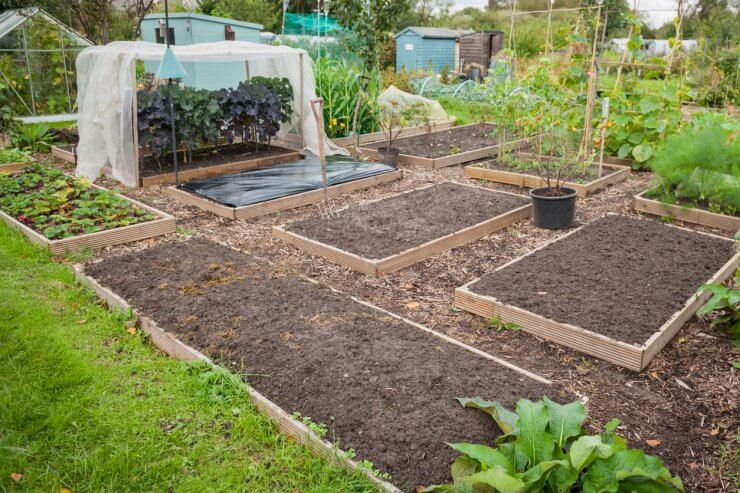
- Raised Beds: These are great for better soil control and accessibility. Plant leafy greens, radishes, and zucchinis, which are all easy to grow and versatile in the kitchen.
- In-Ground Gardens: If you have space, start with a small 4×4 plot for staples like carrots, green beans, and cucumbers.
Tip: Invest in high-quality potting soil and start with seeds or seedlings from a local nursery to give your plants the best start possible.
Leveling Up: Intermediate Gardens
Once you’ve got the basics down, it’s time to expand your repertoire. Intermediate gardens can incorporate more space, diversity, and growing techniques:
- Containers: Experiment with dwarf citrus trees or compact strawberries.
- Raised Beds: Add climbing plants like peas and pole beans. Consider dedicating one bed to a pollinator-friendly flower mix.
- In-Ground Gardens: Extend your garden to include root vegetables like sweet potatoes and beets, plus a row of sunflowers for beauty and seeds.
Pro Tip: Rotating crops and adding companion plants like marigolds can improve soil health and deter pests naturally.
Going Big: Advanced Gardens
For those ready to turn their backyard into a mini-farm, advanced gardening allows you to grow a wide array of crops, including some that take more effort or space.
- Containers: Create a vertical garden for herbs, strawberries, or salad greens.
- Raised Beds: Build dedicated spaces for asparagus, garlic, or rhubarb—perennials that return year after year.
- In-Ground Gardens: Include sprawling crops like pumpkins or melons, and don’t forget to reserve a patch for corn or potatoes.
- Bananas: Dwarf varieties like ‘Cavendish’ can thrive in large pots indoors or in greenhouses.
- Pineapples: Start by planting the top of a store-bought pineapple in well-draining soil. Pineapples love warmth and sunlight.
- Other Tropicals: Passionfruit, figs, or Meyer lemons grow beautifully in containers that can be brought indoors during colder months.
Challenge Yourself: Try companion planting on a larger scale. For instance, grow squash, beans, and corn together in the traditional “Three Sisters” method.
Exotic Adventures: Growing Tropical and Specialty Foods
Dreaming of bananas, pineapples, or other tropical treats? Even if you live far from the equator, you can still enjoy a taste of the tropics:
Bonus Tip: If growing isn’t an option, source exotic foods through local co-ops, specialty markets, or CSA programs to support sustainable farming.
2026: Your Best Gardening Year Yet!
Gardening is a journey, not just a destination. Whether you’re savoring a handful of homegrown strawberries or basking in the success of your tropical fruit harvest, every step brings you closer to the joy of fresh, wholesome food.
For more tips, tricks, and inspiration, download our free 2026 Garden Planning Calendar. Packed with seasonal advice, planting schedules, and creative ideas, it’s the ultimate resource to help you make 2026 your most productive gardening year ever.
So grab your calendar, start planning, and let’s grow something amazing together!