

 Give a Gift
 Previous
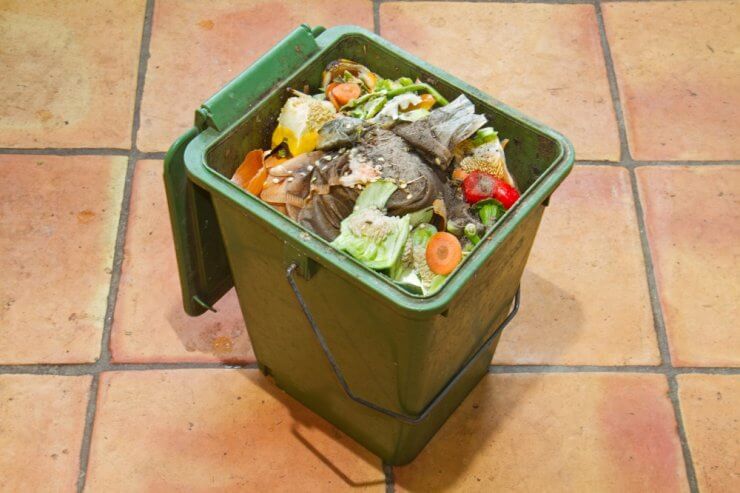
Few gardening practices deliver more bang for the buck than using compost and compost tea. These two natural powerhouses not only improve soil structure and fertility, but also help your crops grow stronger, tastier, and more nutrient-dense. Over the years, I’ve seen firsthand how adding these simple inputs has dramatically increased my tomato and pepper yields—and I’m convinced every food gardener can benefit, whether you’re working in containers, raised beds, or traditional inground plots.
What’s the Difference? Compost vs. Compost Tea
- Compost is decomposed organic matter—garden trimmings, food scraps, leaves, and manure—that becomes a rich, dark, earthy amendment full of nutrients and beneficial microbes. Think of it as a soil conditioner and slow-release fertilizer.
- Compost Tea is a liquid brew made by steeping compost in water (sometimes with a touch of molasses or kelp to feed the microbes). It’s strained and applied to the soil or as a foliar spray, giving plants a quick microbial and nutrient boost.
Both work in harmony: compost builds your soil foundation, while compost tea acts like a tonic throughout the growing season.
Strategies for Every Type of Garden
1. Container Gardening
Containers can dry out quickly and deplete nutrients faster than inground soil. Compost is your insurance policy here.
- Mixing Compost: Add 20–30% finished compost to your potting mix at planting time. This improves moisture retention and provides steady nutrients.
- Tea Applications: Use compost tea every 2–3 weeks during the growing season. Drench the soil until it runs out the drainage holes, or mist leaves in the early morning for a foliar feeding. This keeps peppers, tomatoes, and leafy greens thriving in the limited root space of pots.
2. Raised Bed Gardening
Raised beds are my favorite setup—easy to manage, rich soil, and fewer weeds. Compost plays a starring role here.
- Spring Prep: Work 2–3 inches of compost into the top 6–8 inches of soil before planting. This sets the stage for healthy seedlings.
- Season Boosts: Side-dress heavy feeders (like corn, tomatoes, or squash) mid-season with a layer of compost around the base.
- Tea Routine: Apply compost tea monthly, or biweekly for demanding crops like peppers and eggplants. A foliar spray can also help prevent diseases such as powdery mildew.
3. Inground Gardening
If you’re working in native soil, compost transforms tired dirt into productive earth.
- Building Soil: Spread 1–2 inches of compost across the garden and till or fork it in every spring and fall. Over time, soil structure, water-holding capacity, and nutrient levels improve dramatically.
- Targeted Feeding: Side-dress root crops (like carrots or potatoes) lightly—too much nitrogen can cause leafy tops instead of big roots.
- Tea Support: Spray compost tea every 3–4 weeks during active growth to boost plant resilience and encourage beneficial soil microbes.
Timing Compost & Tea Throughout the Season
- Seed Starting: Add a small amount of screened compost to seed-starting mixes for extra nutrients. A weak compost tea can be used to water seedlings once they have true leaves.
- Transplanting: Dip transplants’ roots in diluted compost tea before planting. This inoculates roots with beneficial microbes for a strong start.
- Mid-Season: Side-dress with compost and refresh beds with compost tea when plants show heavy feeding signs (yellowing leaves, slowed growth).
- Harvest Time: Compost applications improve late-season soil health, while tea helps plants push out flavorful fruits and vegetables until frost.
- Post-Harvest: Add compost to beds or containers before winter to prepare for next year.
Simple Compost Tea Recipe
Here’s a tried-and-true formulation:
- 1 shovel of finished compost (screened if possible)
- 5 gallons of non-chlorinated water
- 1 tablespoon unsulfured molasses (optional, feeds microbes)
- 1 tablespoon liquid kelp (optional, adds micronutrients)
Steep 24–36 hours in a bucket, stirring occasionally or using an aquarium bubbler for aeration. Strain through cheesecloth before spraying. Use within 24 hours for maximum microbial activity.
Food Gardener Voices: Compost in Action
“I started brewing compost tea last year in five-gallon buckets. My tomatoes in containers never looked greener, and the flavor was unbeatable.”
— Maria, Austin, TX
“In my raised beds, I add a wheelbarrow of homemade compost every spring. The carrots taste sweeter, and the soil gets easier to work every year.”
— James, Burlington, VT
“I don’t have space to compost at home, so I buy a bagged organic blend from the garden center. A little mixed into my balcony containers made a big difference for peppers and basil.”
— Sonia, San Diego, CA
“I spray compost tea on my cucumbers every two weeks. Haven’t had a powdery mildew problem in three years.”
— Derrick, Atlanta, GA
Final Thoughts
As a raised bed and container gardener myself, I can’t overstate how much compost and compost tea have improved both yields and flavor in my garden. Tomatoes are richer, peppers more abundant, and leafy greens more nutritious. Whether you’re brewing your own tea or buying compost by the bag, these natural strategies will make your gardening more productive and your harvest more delicious.
Now I’d love to hear from you: How do you use compost and compost tea in your garden? What tricks, techniques, or recipes have boosted your crops? Share your experiences in the comments below so we can all grow better together.




I live in what is commonly known as zone 3. I wish you would include some of Northern Canadian zones so we know what and when to start gardening.
Thank you for reaching out—and great question. While our guidance is written with USDA Zone 4 in mind, many of the principles translate well to Zone 3 with a few thoughtful adjustments.
In Zone 3, the biggest differences are shorter growing seasons, colder winter lows, and later spring warm-up. To adapt Zone 4 advice successfully, we recommend:
• Start seeds indoors earlier than suggested, and prioritize varieties with shorter days to maturity.
• Delay outdoor planting until soil temperatures—not the calendar—are reliably warm.
• Use season extenders such as cold frames, low tunnels, row covers, or hoop houses to protect young plants and stretch both ends of the season.
• Choose cold-hardy and early-maturing varieties whenever possible; these are often the key to success in Zone 3 gardens.
• Add extra winter protection (mulch, snow cover, or wind barriers) for perennials that are listed as hardy to Zone 4.
Many Zone 3 gardeners grow wonderful, productive gardens by using these strategies, and we always encourage adapting advice to your local conditions and microclimate. Gardening in colder regions comes with challenges—but also some real rewards.
We’re glad you’re part of the conversation, and we appreciate you taking the time to fine-tune the guidance for your region.