Give a Gift
Introduction to the Food Gardener’s Bible
If you’ve ever stepped outside on a warm spring morning, trowel in hand, and felt that quiet thrill of knowing you’re about to coax life out of the soil, then you already understand why food gardening is more than a hobby—it’s a way of living. I’ve been at this a long time. I grew up… READ MORE
How to Use This Book
The Food Gardeners Bible is designed to work the way you garden—sometimes planned and methodical, sometimes spontaneous and full of surprises. You can treat it like a trusted neighbor who’s been gardening for decades: always ready with advice, a story, or just the right tip at the right time. Three Ways to Read and Use… READ MORE
Chapter 1: Why Food Gardening Matters
When I plant a garden, I’m not just planting seeds—I’m planting my hopes for the season ahead. I’m planting the meals I’ll share with family, the flavors I’ll savor fresh from the vine, and the quiet satisfaction of knowing that I had a hand in creating something nourishing. Food gardening matters because it gives us… READ MORE
Chapter 2: Designing Your Food Garden
A good garden doesn’t just happen—it’s designed. You can toss a few seeds in the dirt and hope for the best, but if you want a steady harvest, fewer headaches, and a garden you actually enjoy tending, you’ll need to start with a plan. Think of it this way: designing your garden is like planning… READ MORE
Chapter 3: A Year in the Garden
One of the greatest joys of food gardening is stepping into the rhythm of the seasons. From the first seed you sow in spring to the last jar of tomato sauce you put away in fall, your garden’s calendar will be as much a part of your life as birthdays and holidays. This chapter will… READ MORE
Chapter 4: The Top 25 Crops American Gardeners Grow
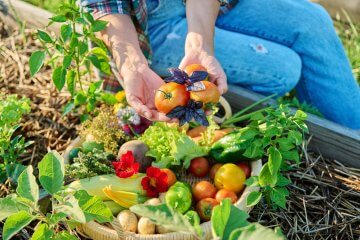
Every gardener has a personal “must-grow” list—the crops that make their garden feel complete. For some, it’s tomatoes and basil for summer salads. For others, it’s potatoes and onions for hearty winter stews. Across America, certain crops keep showing up in gardens of all sizes, from balcony pots to backyard mini-farms. In this chapter, we’ll… READ MORE
Chapter 5: Where and How to Grow
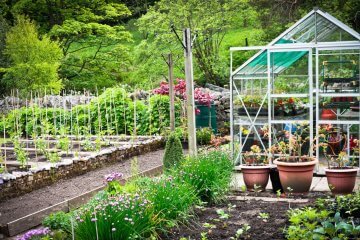
One of the first big decisions every gardener makes—after choosing what to grow—is deciding where and how to grow it. The truth is, there’s no single “right” method. The best gardens often mix and match several approaches, using each where it makes the most sense. I’ve grown in every way you can imagine: rows in… READ MORE
Chapter 6: Watering Mastery
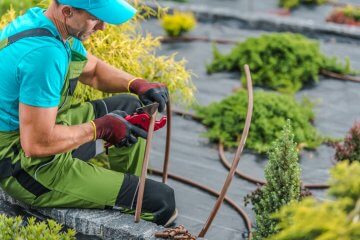
If sunlight is your garden’s heartbeat, water is its lifeblood. Too much, and you’ll drown your plants. Too little, and they’ll shrivel before they can produce a single tomato. Learning when, how, and how much to water is one of the most important skills a food gardener can master—and it’s one I had to learn… READ MORE
Chapter 7: Pest and Disease Prevention
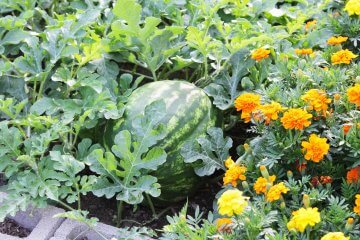
Every gardener I know has at least one battle story—mine involves an army of tomato hornworms that appeared overnight and devoured half my tomato patch before I even knew they were there. By the end of that summer, I’d learned two things: 1. You can spot hornworm droppings before you see the hornworms. 2. Prevention… READ MORE
Chapter 8: Treatment and Recovery
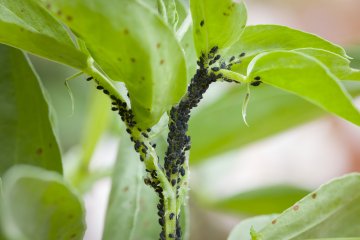
Even the best gardeners—and the best-laid plans—sometimes run into trouble. You can rotate crops, mulch religiously, and plant resistant varieties, and still wake up to find something has chewed half your kale or turned your zucchini leaves into a mottled mess. The trick isn’t avoiding problems entirely (that’s impossible). The trick is spotting them early,… READ MORE
Chapter 9: Harvesting and Food Preservation
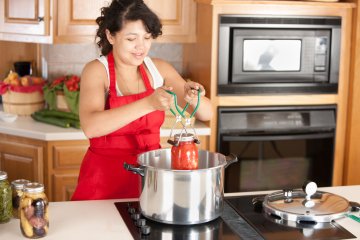
Harvest time is the victory lap of gardening. It’s the reward for months of planning, planting, watering, and fending off pests. But here’s a truth I learned the hard way: when and how you harvest matters almost as much as how you grow your crops. Pick too early, and you lose flavor and nutrition. Pick… READ MORE
Chapter 10: The Deeper Benefits of Food Gardening
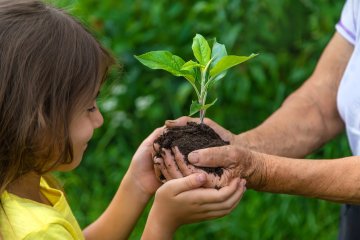
When I first started gardening, I thought the rewards would be mostly about food. Fresh tomatoes, crisp lettuce, the occasional sweet melon—what more could a person want? But after decades of digging, planting, weeding, and harvesting, I’ve come to realize that the real rewards of gardening go far beyond the plate. Food gardening feeds us… READ MORE
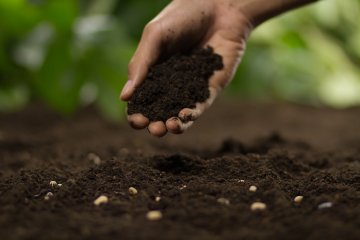
Chapter 11: Soil—The Foundation of Every Great Garden
When people ask me the secret to a productive food garden, I tell them it’s simple: Take care of your soil, and it will take care of you. You can buy the fanciest tools, the healthiest seedlings, and the best organic fertilizer on the market, but if your soil is tired, compacted, or depleted, your… READ MORE
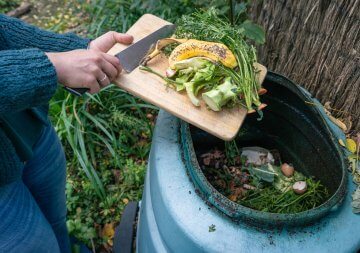
Chapter 12: Feeding Your Soil—Amendments and Additives
Healthy soil is like a well-stocked pantry for your plants—nutritious, balanced, and ready to fuel growth. But even the richest soil needs a little help over time. Every harvest you take removes nutrients, and every season of rain, wind, and plant growth shifts the soil’s balance. That’s where amendments come in. I’ve seen what happens… READ MORE
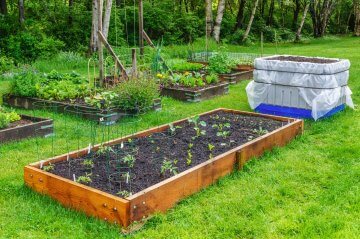
Chapter 13: Planning for Year-Round Food Production
If you’ve ever felt the pang of looking out at your garden in January and seeing nothing but bare soil or snow, take heart—you can have something fresh to eat from your garden in every month of the year. The trick is planning ahead and combining a few different strategies to work with, not against,… READ MORE
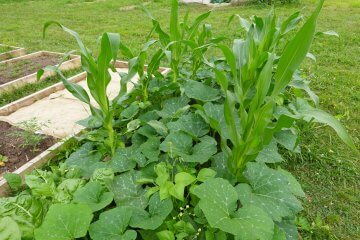
Chapter 14: Crop Rotation and Garden Mapping
If you’ve ever planted tomatoes in the same spot year after year and noticed they seemed to do a little worse each time, you’ve seen the reason for crop rotation in action. Plants do better when they don’t live in the same place forever—especially when “the place” is a patch of soil that gets used… READ MORE
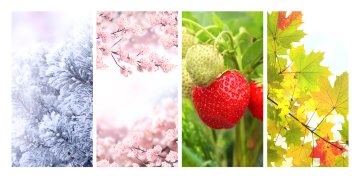
Chapter 15: The Gardener’s Year in Action
A great garden doesn’t just happen—it unfolds in rhythm with the seasons. From the first seeds you tuck into spring soil to the last jars you put away in fall, each month has its own to-do list. The key to success is knowing which tasks to tackle and when, based on your USDA zone. I’ve… READ MORE
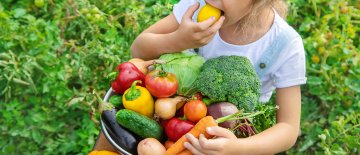
Chapter 16: Growing for Flavor and Nutrition
Let’s be honest—if all you wanted was vegetables, you could pick them up at the grocery store on your way home. But we garden for something more: flavor that makes you close your eyes and savor the bite, and nutrition that puts a spring in your step. I’ve had tomatoes so rich and sweet they… READ MORE
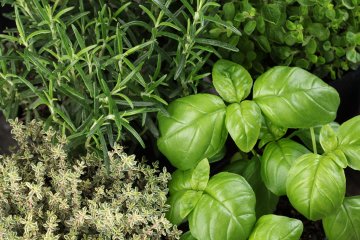
Chapter 17: Herbs in the Food Garden
If vegetables are the main characters in the food garden, herbs are the scene-stealers—the ones that make the whole production more memorable. They take your cooking from “pretty good” to “what’s your secret?” and can be grown in spaces so small you could fit them on a kitchen windowsill. I’ve had basil bushes taller than… READ MORE
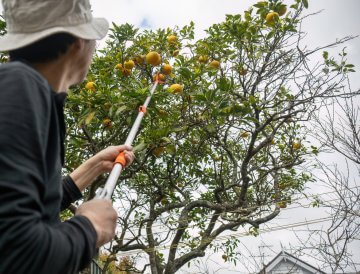
Chapter 18: Fruit in the Food Garden
If vegetables feed your body, fruit feeds your soul. There’s nothing like plucking a sun-warmed strawberry and eating it right there in the garden, juice on your fingers and all. I’ve grown fruit in everything from sprawling orchards to pots on the patio, and every time, I’m reminded that you don’t need acres to enjoy… READ MORE
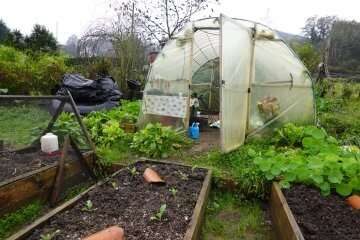
Chapter 19: Gardening Under Cover
One of the great joys of gardening is stretching the season—starting earlier in the spring, holding on longer in the fall, and maybe even harvesting fresh greens in the middle of winter. The secret? Gardening under cover. Over the years, I’ve experimented with everything from a simple row cover clipped to stakes, to a walk-in… READ MORE
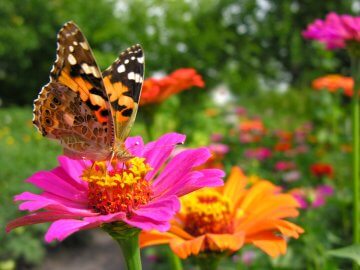
Chapter 20: The Pollinator’s Place in the Food Garden
If you’ve ever bitten into a perfectly formed apple, enjoyed a bumper crop of tomatoes, or filled a basket with cucumbers, you’ve already benefited from the quiet, tireless work of pollinators. Bees, butterflies, hummingbirds, moths, beetles—even certain flies—move pollen from flower to flower, ensuring fruits and seeds form. Without them, much of what we grow… READ MORE
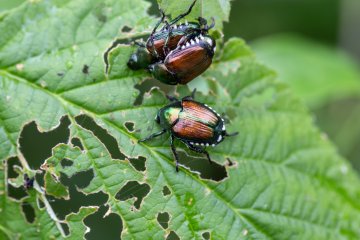
Chapter 21: The Gardener’s Troubleshooting Guide
Even the most seasoned gardener faces head-scratching moments—leaves turning yellow for no apparent reason, plants wilting overnight, fruit dropping before it ripens. The trick isn’t to avoid every problem (that’s impossible), but to recognize and fix them quickly so your harvest doesn’t skip a beat. Over the years, I’ve kept a “garden log” full of… READ MORE
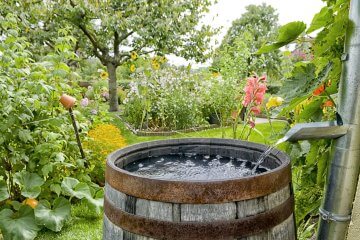
Chapter 22: Gardening for Resilience and Sustainability
When I think about gardening for the long haul, I picture my father’s old compost pile in Sacramento. It was always there, quietly transforming scraps and clippings into rich, black soil. Year after year, that pile made our garden better, not just for the season ahead, but for every season after. That’s what sustainable gardening… READ MORE
Chapter 23: Passing It On
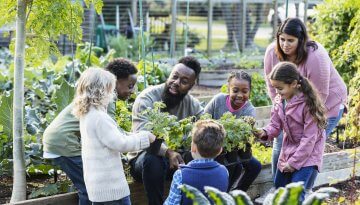
A garden is never just a private space—it’s a living classroom, a neighborhood gathering spot, and a gift you can hand down without ever wrapping it. The skills, seeds, and stories we share ensure that gardening remains a vibrant part of our families and communities for generations. I’ve lost count of the times I’ve handed… READ MORE

Chapter 24: The Garden is Always Calling
If you’ve made it this far, you already know something important: gardening is not just about food. It’s about the rhythm of the seasons, the smell of freshly turned soil, the quiet satisfaction of seeing something you planted weeks ago now stretching toward the sun. When I began gardening as a boy in Sacramento, I… READ MORE
Enter Your Log In Credentials
- Lost your password? Create New Password
- No account? Sign up
Need Assistance?
Call Food Gardening Network Customer Service at
(800) 777-2658
Food Gardening Network is an active member of the following industry associations: